In 2025, IEEE brought together members and volunteers from around the world to advance technology and turn ideas into action, driving innovations that shape our collective future. This was accomplished with technology professionals, policymakers and organizations coming together to share their incredible expertise and discuss how to accelerate innovation.
IEEE Conferences and Events Showcase Emerging Technologies Worldwide
IEEE conferences showcased groundbreaking research and emerging technologies, reflecting the organization’s commitment to fostering innovation and collaboration across the global technical community. From the latest in robotics, supercomputing and AI to promoting cleaner technologies, IEEE was at the center of innovation.
IEEE convened the world’s leading researchers, engineers and innovators at premier conferences worldwide to explore how AI-empowered intelligent systems are transforming industries and enhancing human collaboration. These gatherings served as powerful platforms for exploring how robotics and AI are converging to create the next generation of intelligent systems that will advance society and improve lives.
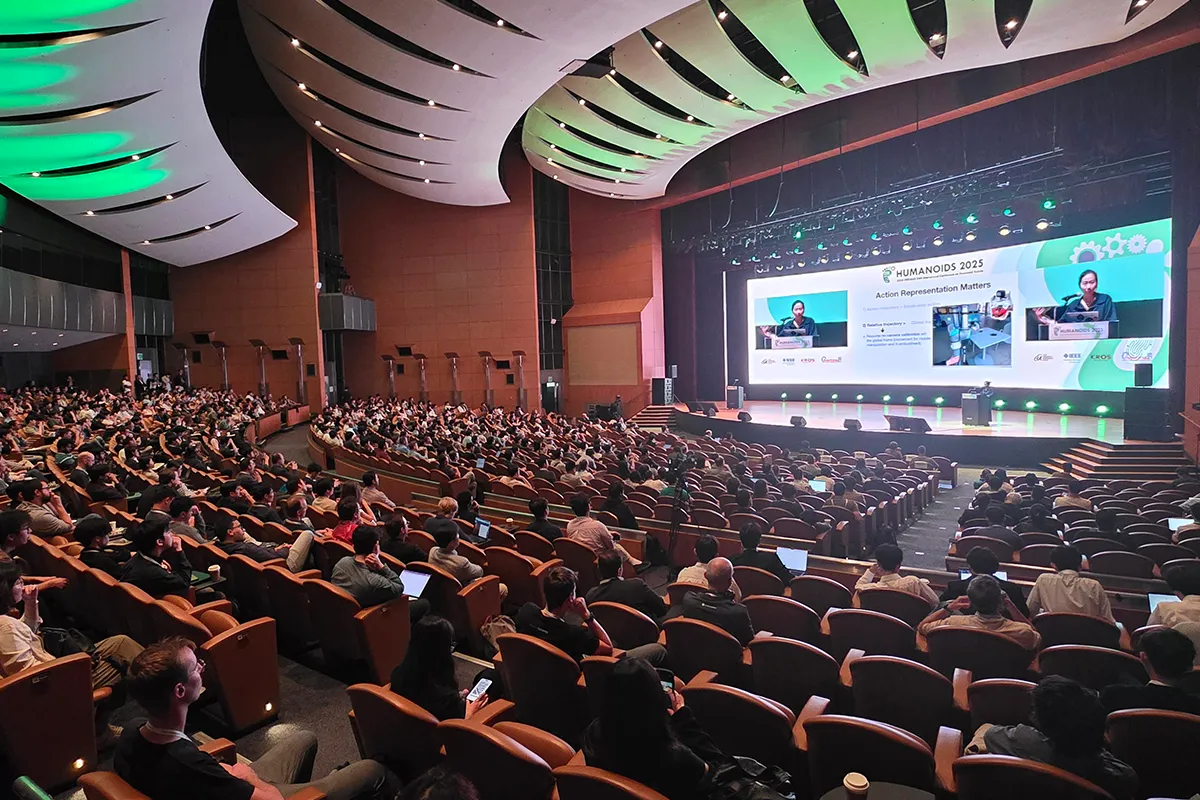
Robotics enthusiasts, research institutes, academic organizations, manufacturers and startups from around the world gathered to share the latest advancements in humanoid robots and machine learning at Humanoids 2025.
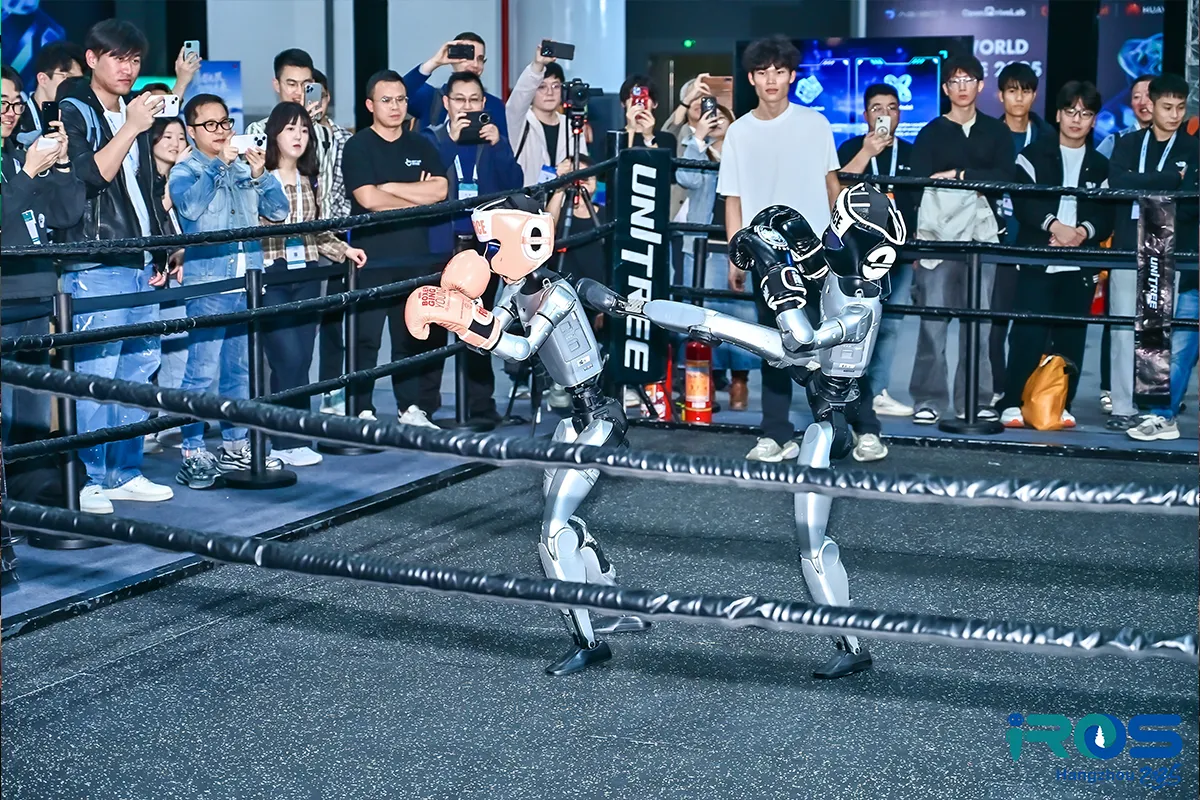
Conference on Intelligent Robots and Systems Examines Impact of AI (Hangzhou, China)
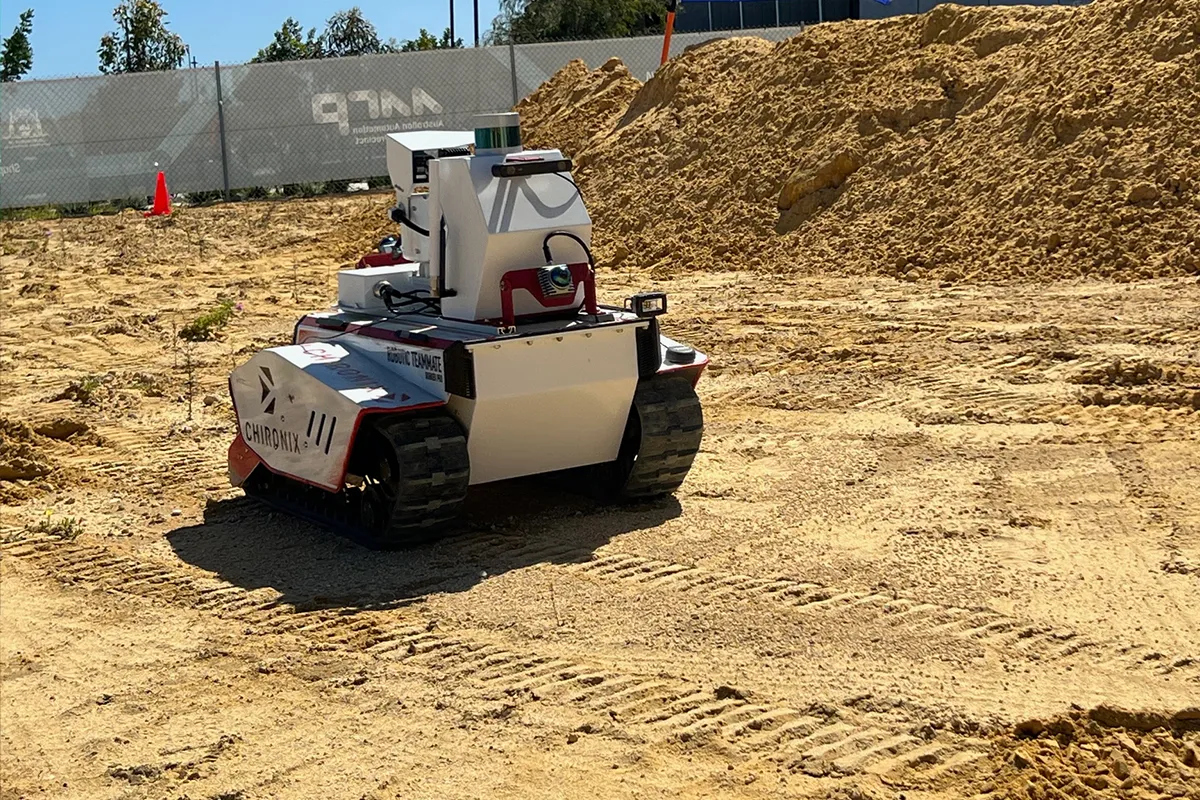
IEEE Hosts Telepresence Competition at Robopalooza (Perth, Australia)
IEEE Future Directions hosted its second annual Telepresence Competition at Robopalooza 2025. The competition featured 13 teams from six continents. Participants guided their remote-controlled rovers through a tricky obstacle course of sandy, rocky terrain, with the fastest team taking home a US$5,000 prize.
Supercomputing 25 Unites Global Community (St. Louis, MO)
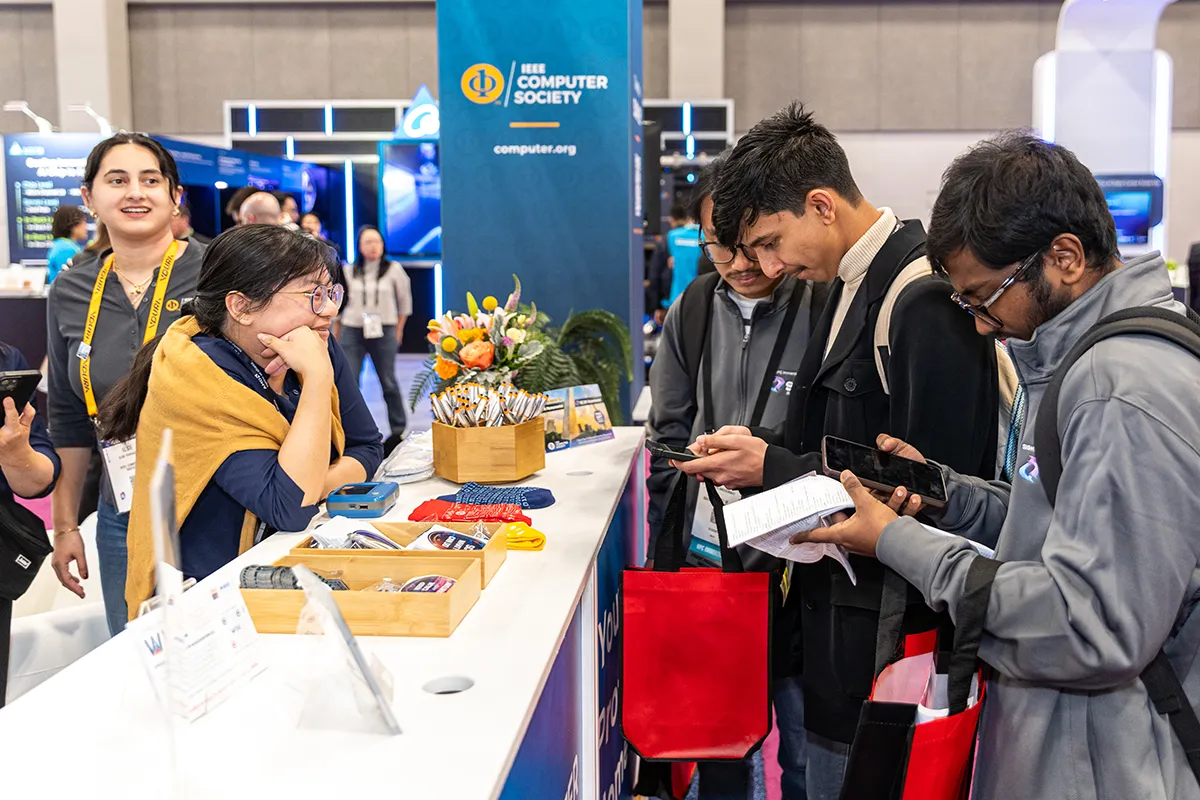
SC25 showcased the best of what the global supercomputing community can achieve technically, creatively and collaboratively. The workshop program consisted of three tracks covering emerging neurotechnologies, machine learning and computer paradigms for brain discovery and clinical applications and impact.
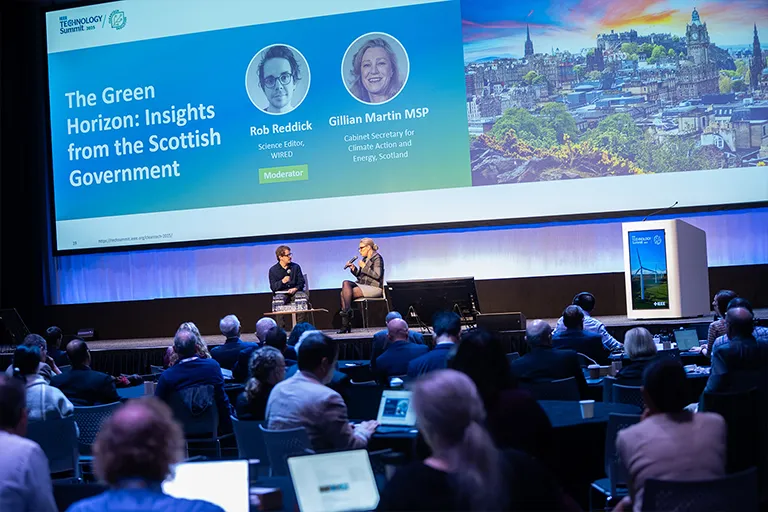
IEEE Tech Summit 2025 brought together 200 global leaders at the intersection of policy, engineering, business and entrepreneurship in one of Europe’s greenest innovation cities. Participants explored the future of clean technology, including electrification, AI in clean tech, circular electronics, green mobility and ocean tech, while examining the human, financial and regulatory forces shaping the clean energy transition.
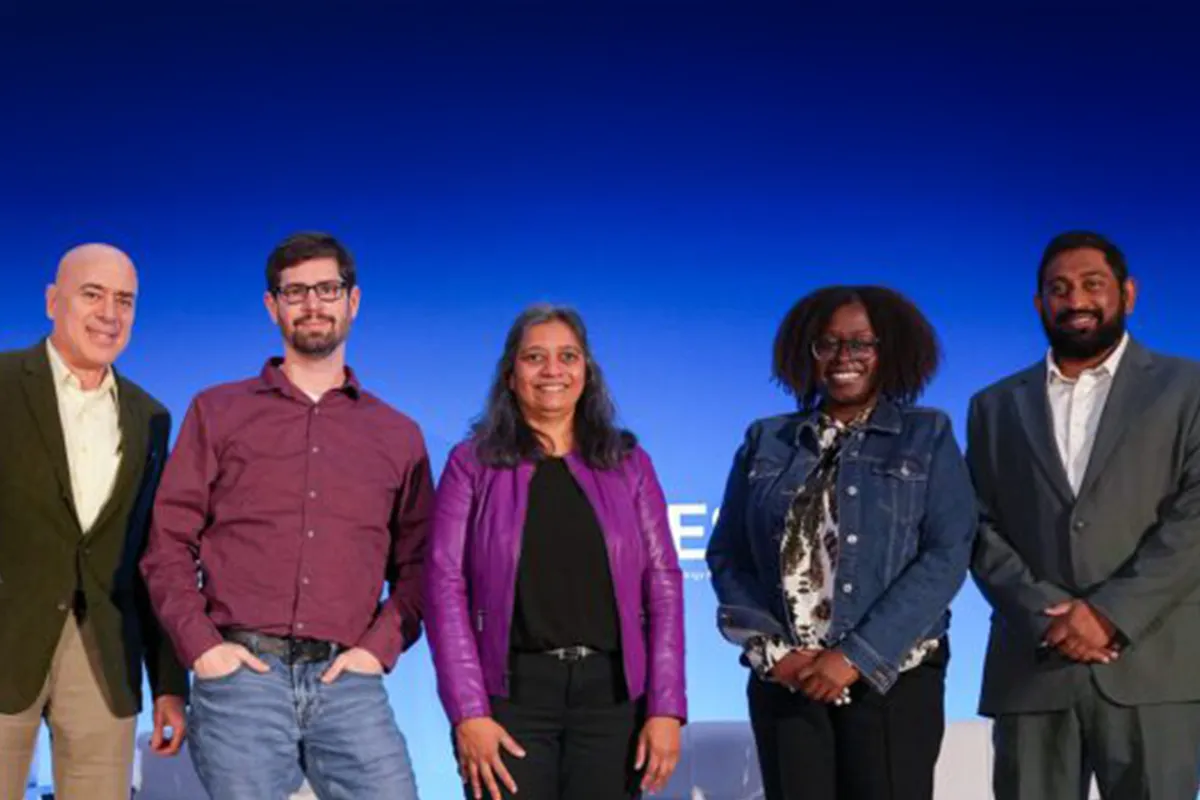
Guest speakers at IEEE Tech Summit 2025
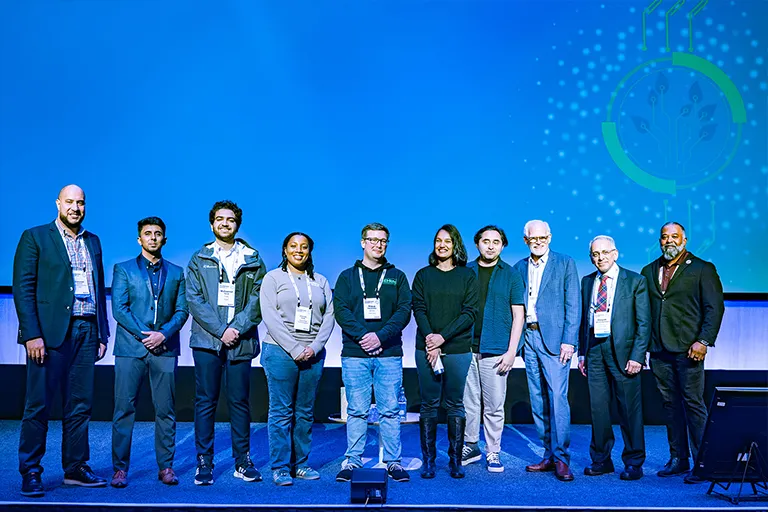
2024 IEEE President Tom Coughlin (third from right) with IEEE Tech Summit 2025 attendees
Experts Explore Innovations in Brain Research and Neurotechnology (Vancouver, BC, Canada)
The IEEE Brain Discovery and Neurotechnology Workshop brought together researchers and practitioners across academia, industry and the clinical profession. The event highlighted innovative neurotechnology and brain research methods, emphasizing their potential to improve understanding of the brain and address a wide range of health issues to improve the human condition. Panel sessions explored the ethical implications of neurotechnology, the development of standards, clinical priorities and challenges and future growth areas in these emerging fields.
Engaging Global Stakeholders in the Future of Technology
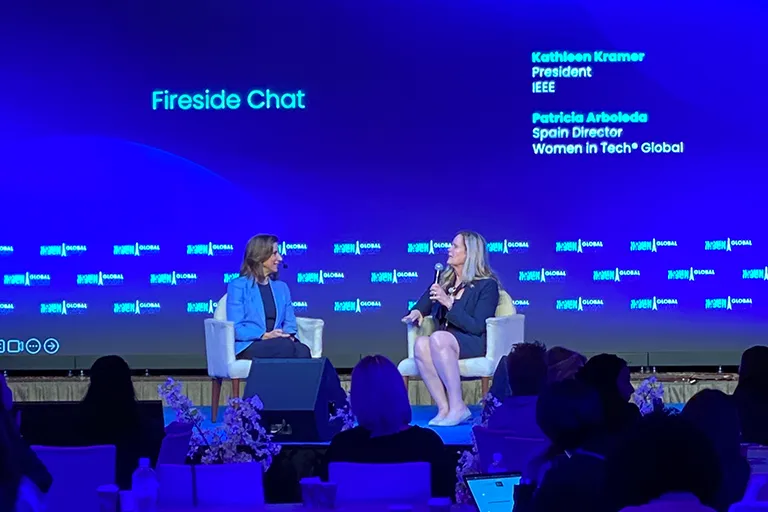
IEEE President Kathleen Kramer represented IEEE on the world stage, participating in key international forums and events that shaped the future of technology and policy. Kramer spoke at the World Summit on the Information Society (WSIS)+20 Forum in Geneva, participated in the Women in Tech Summit and engaged with global leaders at conferences and policy discussions across the globe.
IEEE President Kathleen Kramer (right) and guest speaker at the AI for Good Global Summit, Photo Credit: ITU
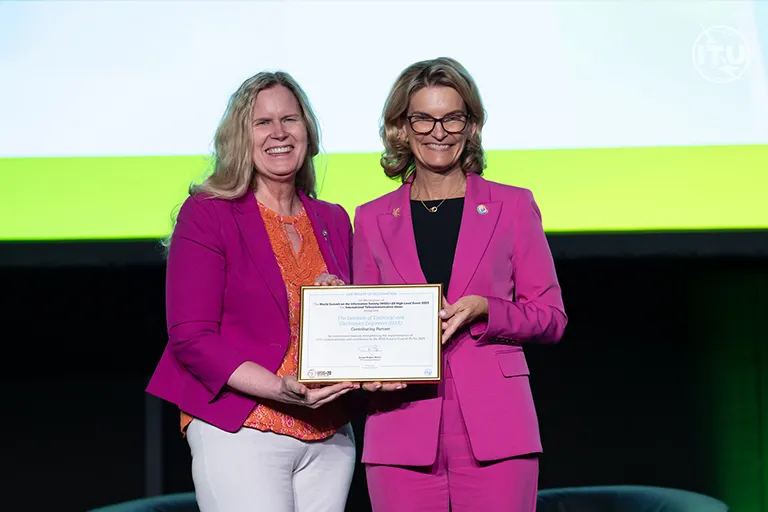
IEEE President Kathleen Kramer (left) and Secretary-General, ITU Doreen Bogdan-Martin, Photo Credit: ITU
IEEE Convene Shapes the Future of Global Events
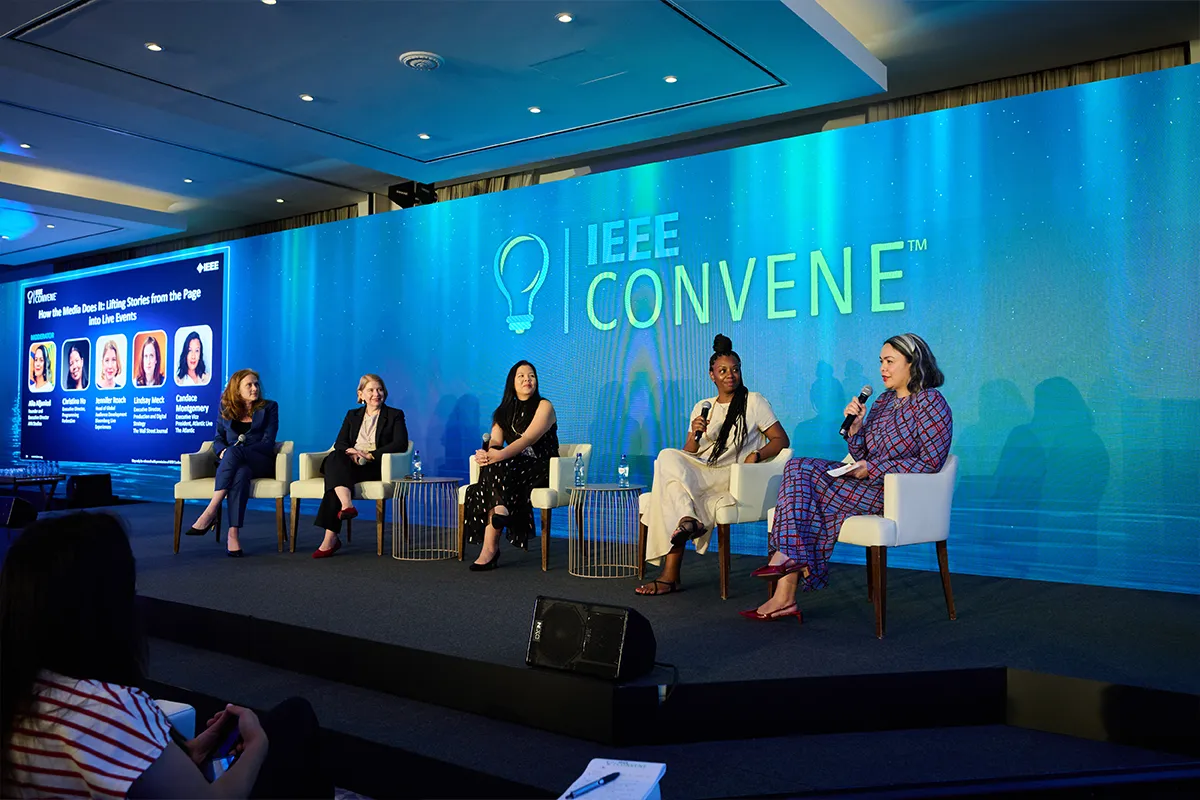
IEEE Convene 2025 took place in Lisbon, Portugal, bringing together IEEE conference organizers, leaders and professionals to envision the future of IEEE events. The gathering centered on open dialogue, shared insights and purposeful collaboration to improve conference leadership. This event helped reinforce IEEE’s commitment to creating impactful, forward-thinking conference experiences.
250+
Participants from
30+
Countries
Guest speakers on stage at IEEE Convene
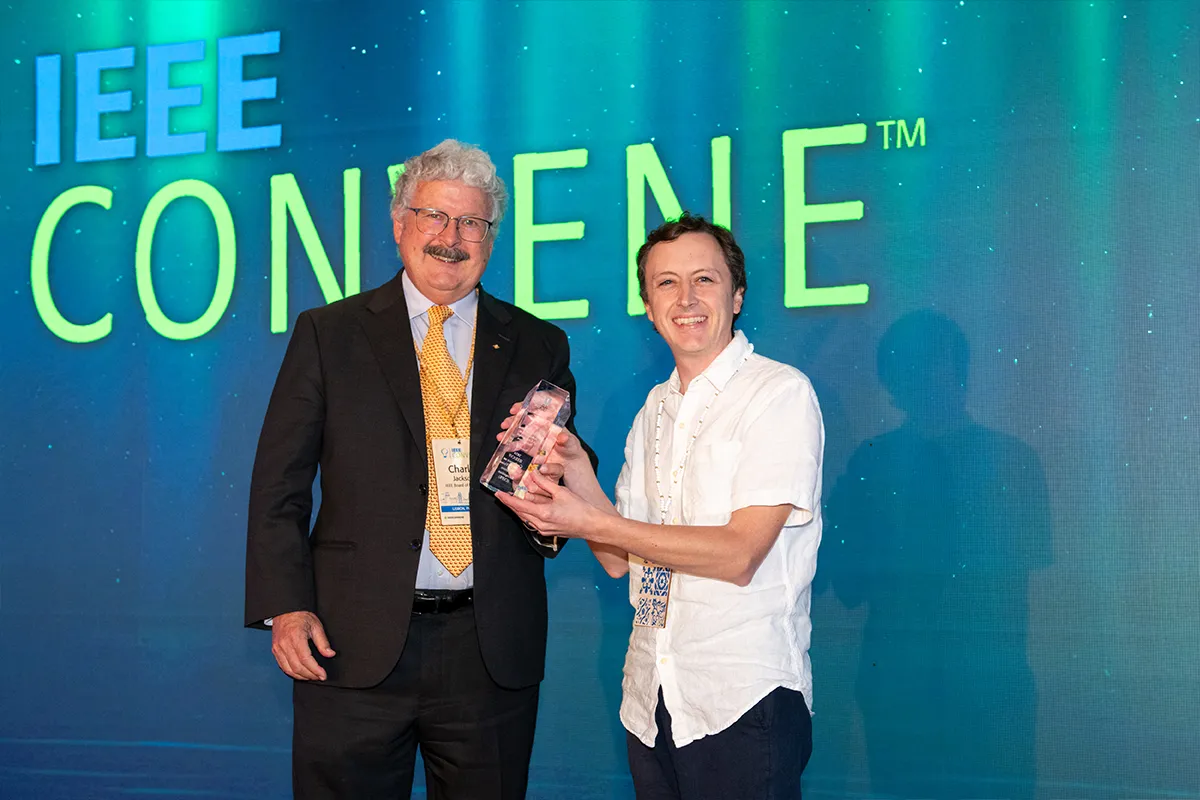
Left: Charlie Jackson, Chair, Conference Nominations, Appointments and Recommendations Committee and Walter Scheirer, General Chair and iCon recipient for the 2024 IEEE/CVF Conference on Computer Vision and Pattern Recognition
IEEE Engages at Major Industry Events
IEEE also had a presence at major industry events, including CES, Mobile World Congress and Futurecom, connecting with technology leaders and innovators across the globe. The events provided opportunities for IEEE to demonstrate thought leadership and reinforce its key role in bringing emerging technologies to life.
IEEE Panel Examines AI’s Promise and Challenges at CES (Las Vegas, NV)
IEEE hosted a panel titled “Can AI Deliver Technology for Good?” exploring the tension between AI’s transformative capabilities and its vast energy consumption and ethical concerns. Led by IEEE Spectrum Editorial Director Glenn Zorpette, the panel examined critical issues including deepfakes, trustworthiness and AI’s potential to deliver positive outcomes.
Panelists shared their observations from the CES show floor in this event recap.
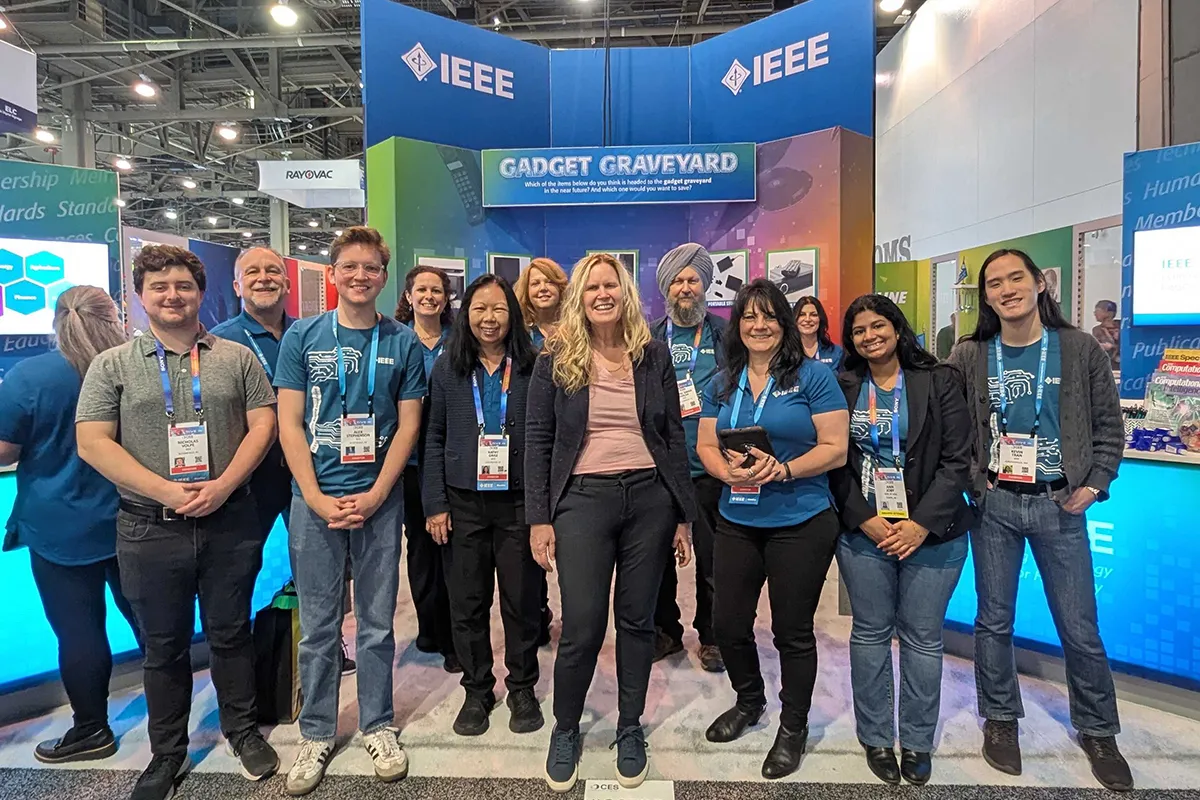
IEEE President Kathleen Kramer (center) with staff and volunteers at CES.
CES attendees
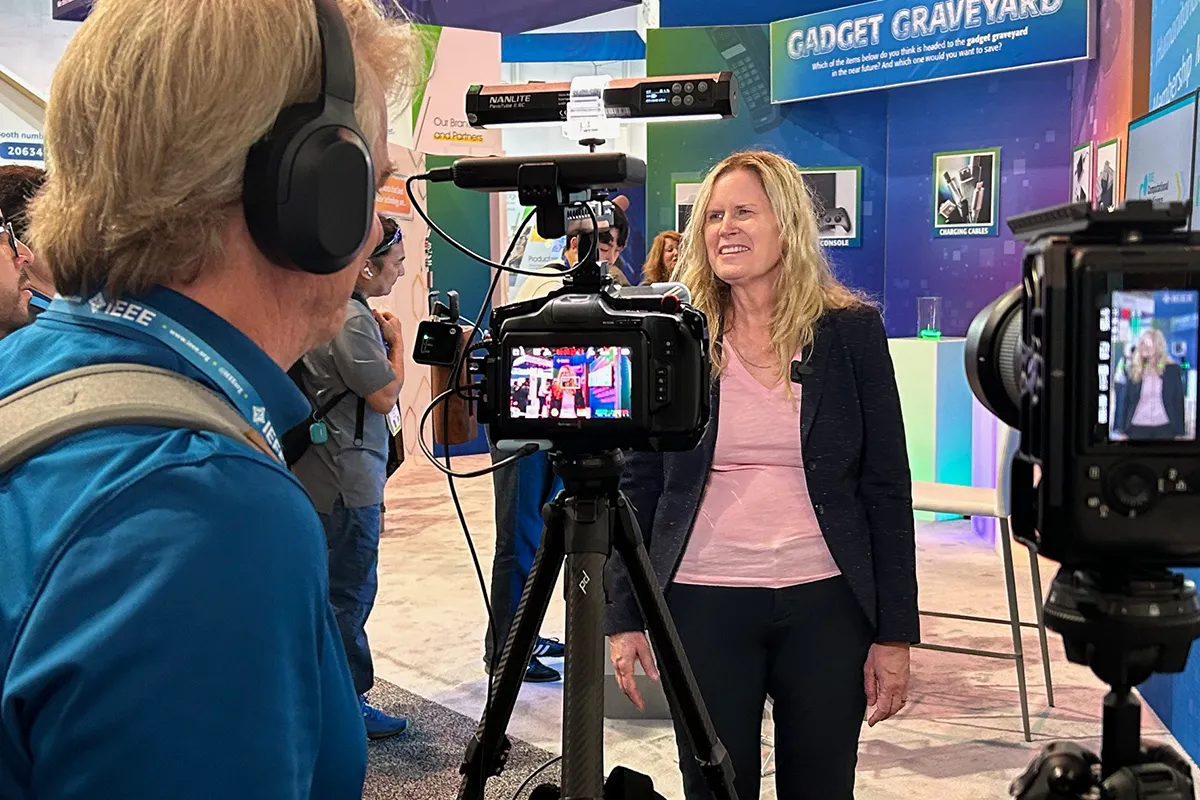
IEEE President Kathleen Kramer shares her experiences at CES.
IEEE Impact Creators shared AI insights during a panel discussion at CES.
IEEE Senior Member Anwer Al-Dulaimi shares insights on IEEE's impact on future technologies at Mobile World Congress 2025.
IEEE Builds Connections at Mobile World Congress (Barcelona, Spain)
IEEE contributed to conversations on emerging connectivity standards and innovations that are shaping the industry’s trajectory.
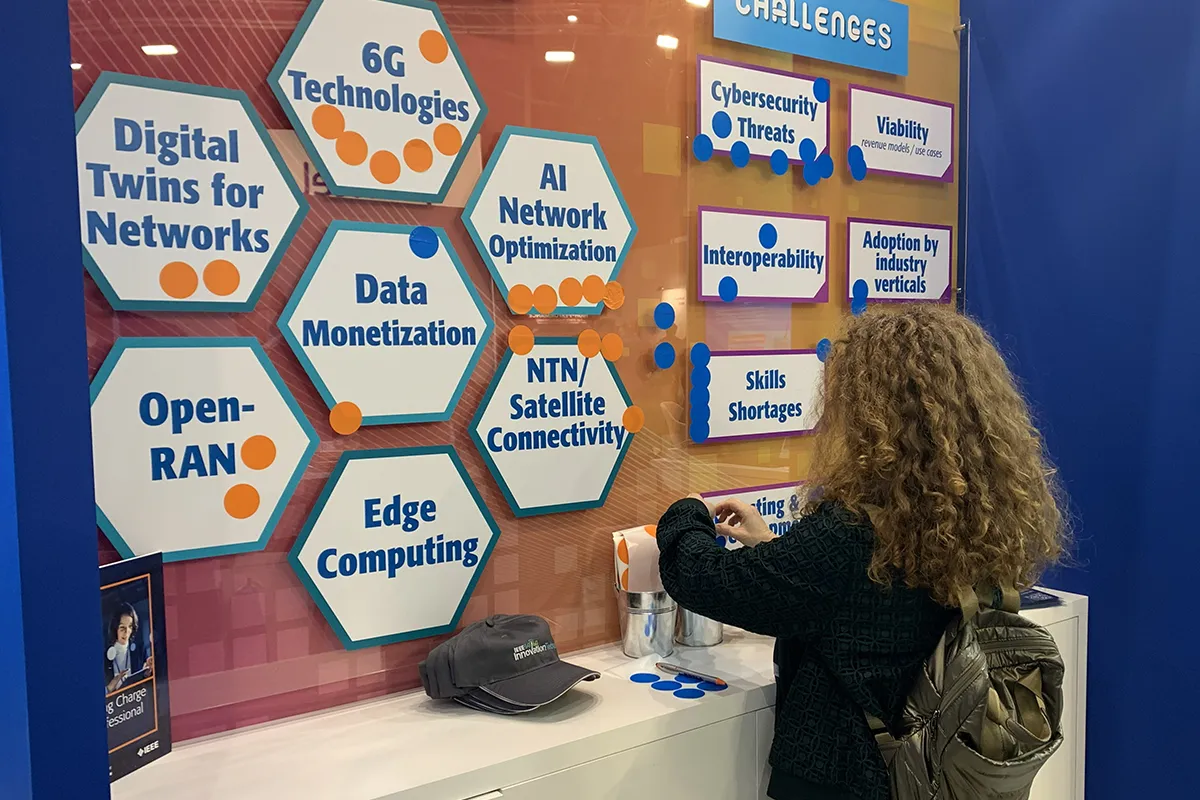
Booth visitor at Mobile World Congress weighs in on the current challenges and innovations facing connectivity.
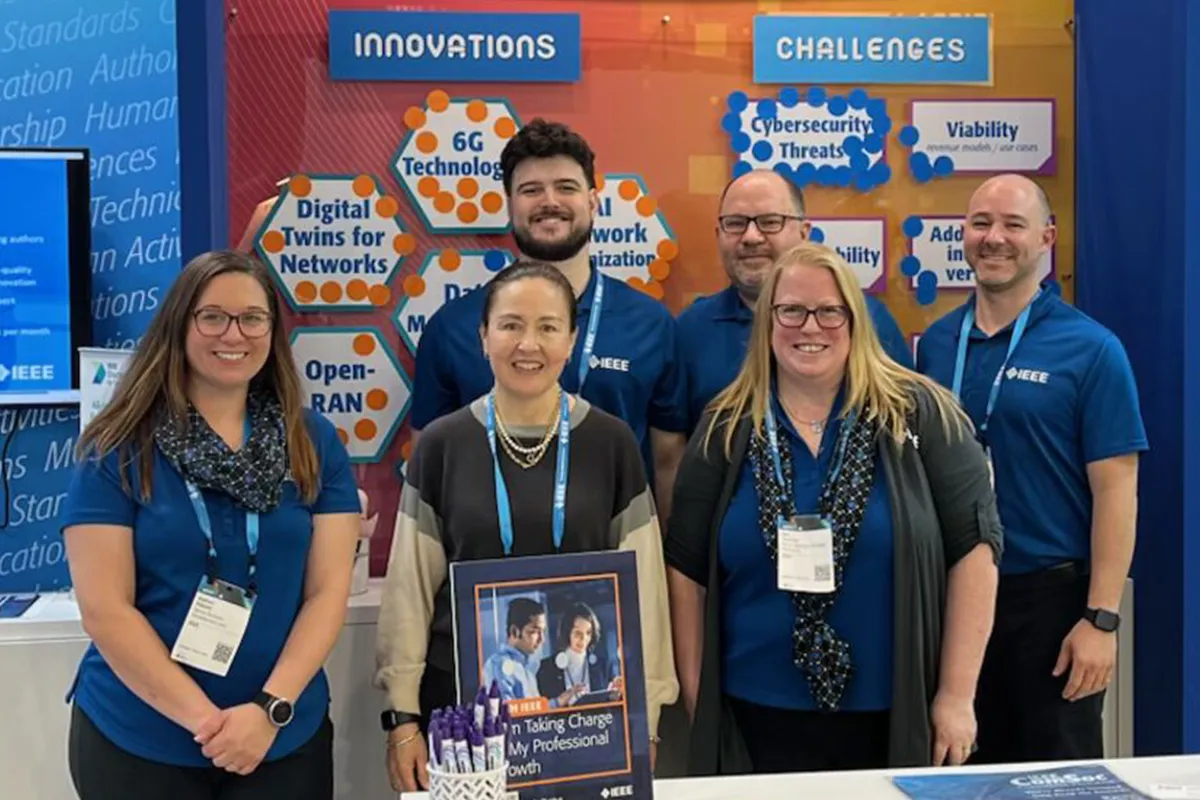
Staff and student volunteers inside the booth at Mobile World Congress
IEEE Explores Sustainability at Futurecom
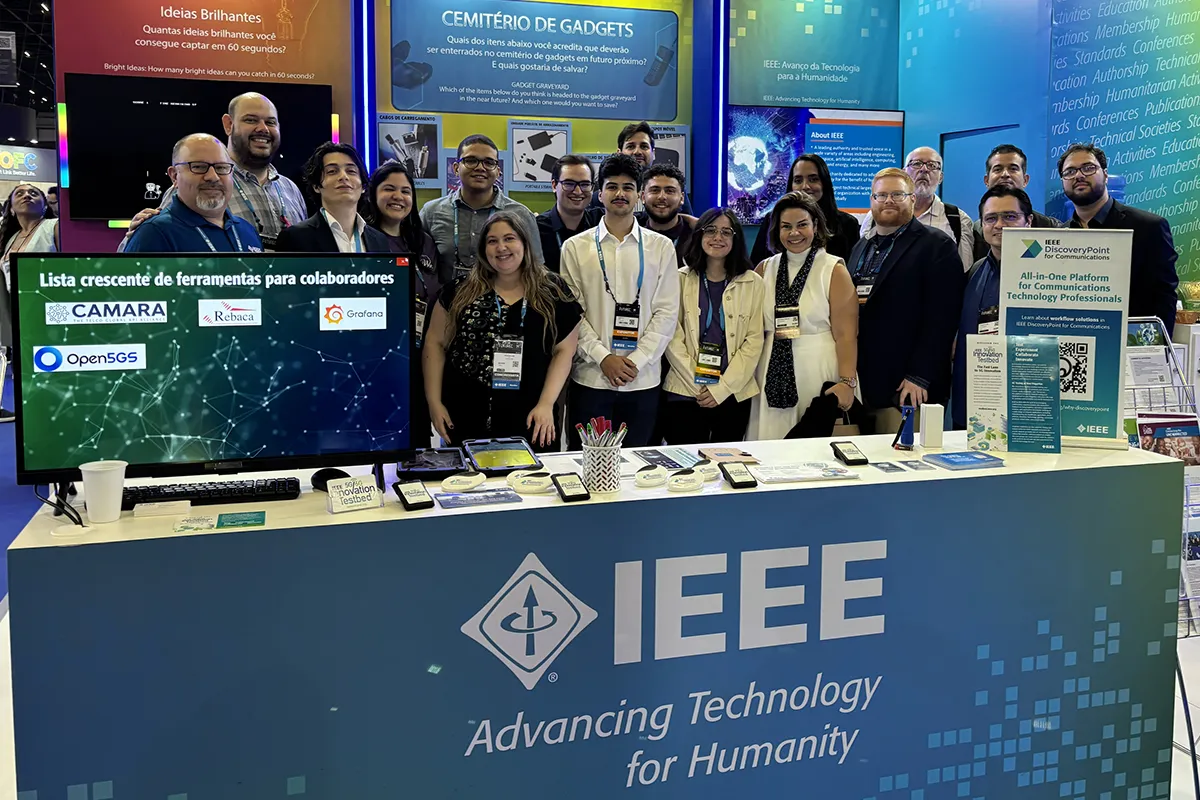
At Futurecom 2025, IEEE hosted an event focused on leveraging technology for a sustainable planet. The gathering brought together members of the media, technology leaders and innovators to explore how emerging technologies can address environmental challenges and drive meaningful progress toward global sustainability goals.
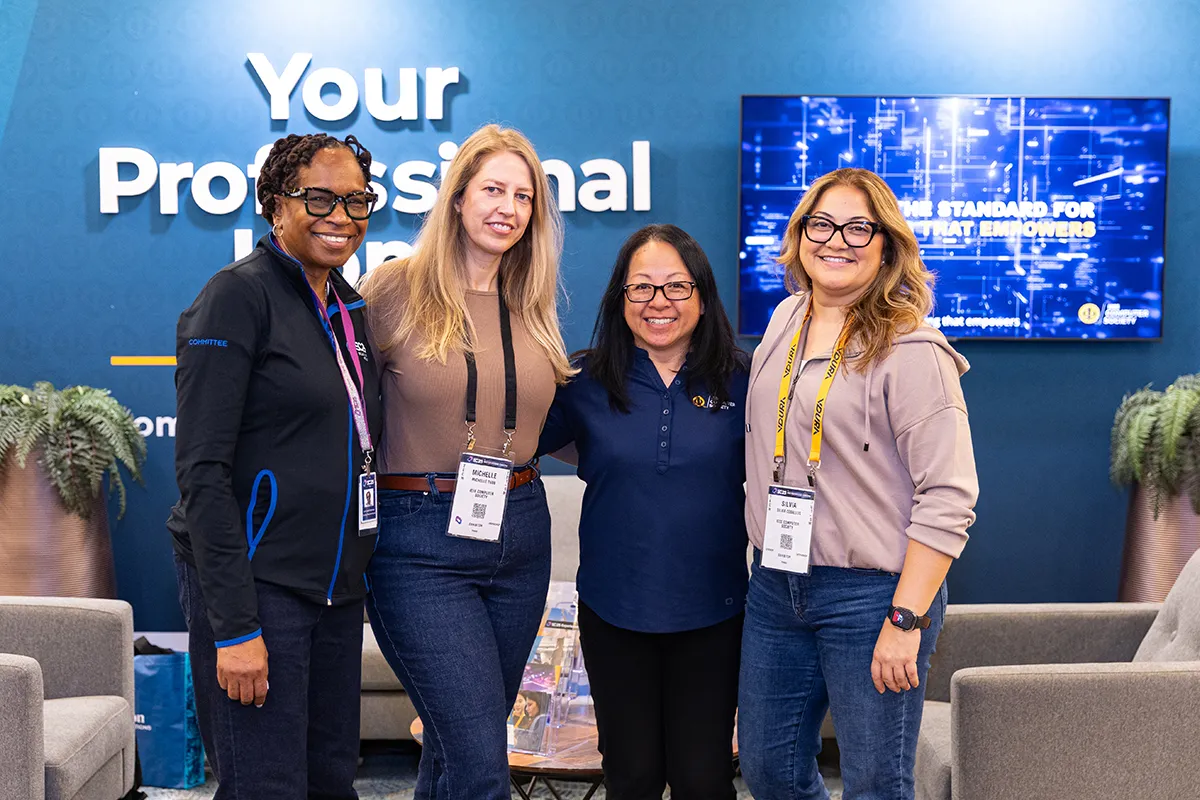
Staff, volunteers and attendees at Futurecom
Impact Creator Cristiane Pimentel speaks during an IEEE event at Futurecom 2025 about the importance of IEEE and its dedication to advancing technology for the benefit of humanity.
IEEE Bridges Industry Connections
IEEE has an immeasurable impact on industry, with its network of technology experts influencing the way people live, work and communicate. IEEE continues to make inroads, creating connections and reinforcing the value that collaborating with IEEE can bring, ranging from providing a neutral, collaborative environment to developing standards to contributing technical perspectives from diverse disciplines.
Both IEEE President Kathleen Kramer and IEEE President-Elect Mary Ellen Randall shared insights with industry leaders on how IEEE is making an impact with audiences in Asia and explored new avenues for knowledge sharing in the region.
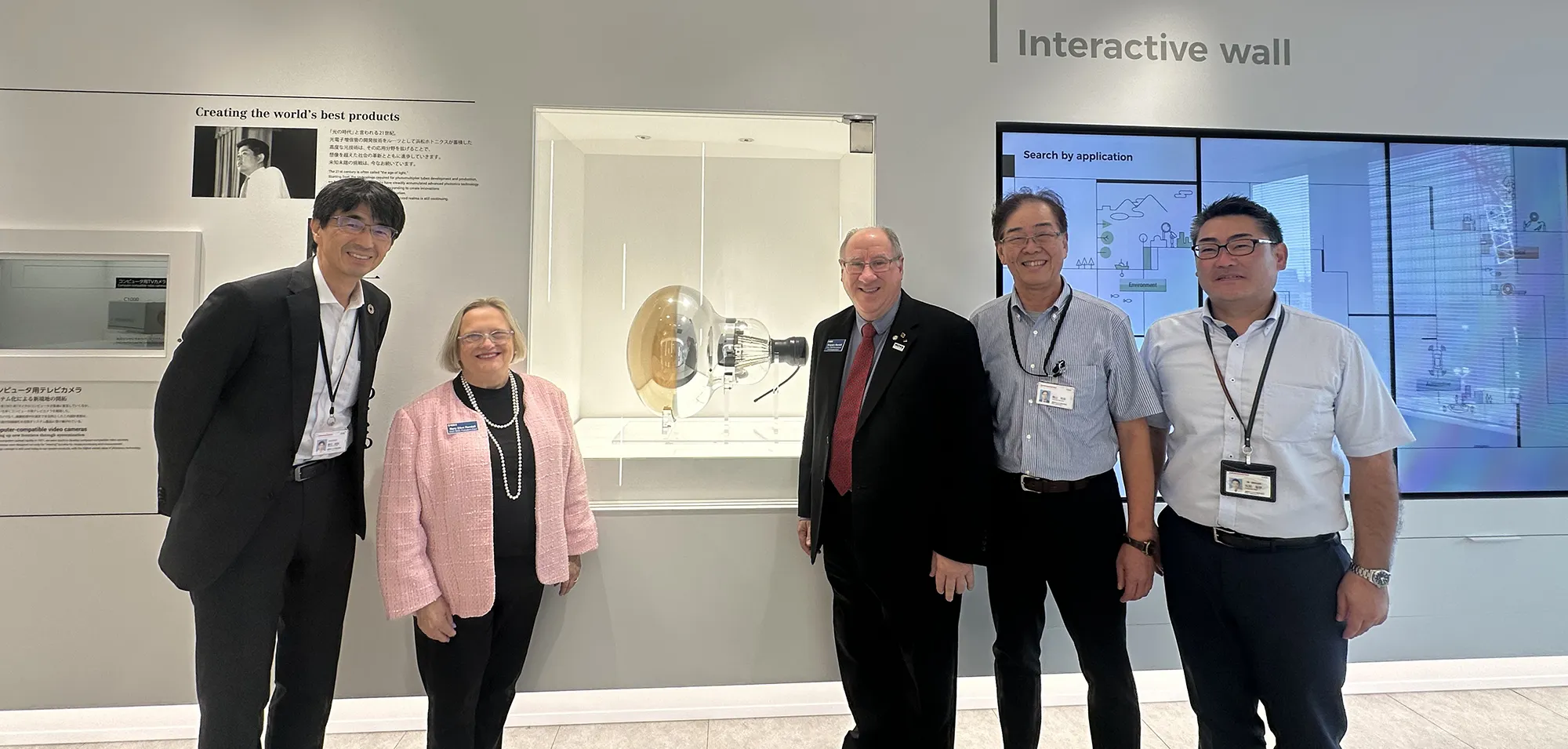
IEEE President-Elect Mary Ellen Randall and IEEE Humanitarian Technologies Board Chair Grayson Randall with representatives of HAMAMATSU Photonics K.K. during their Japan Industry Tour to increase engagement in Japan.